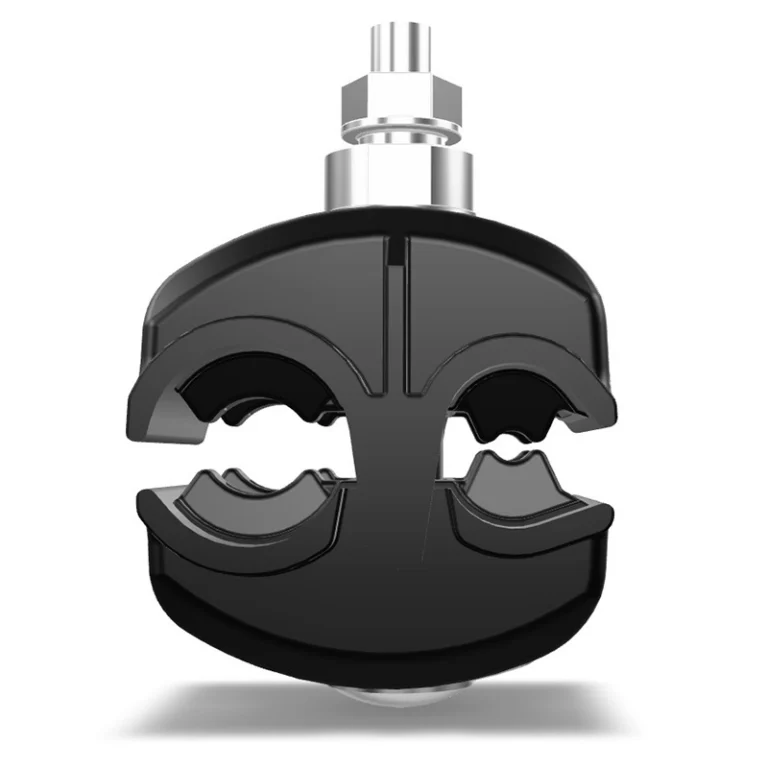
IPC Connectors

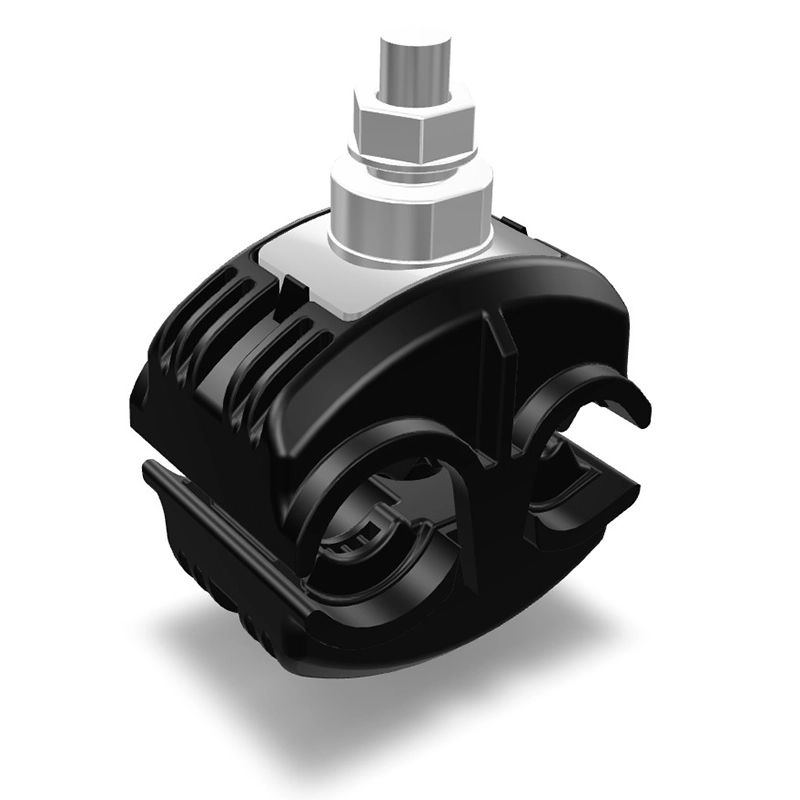
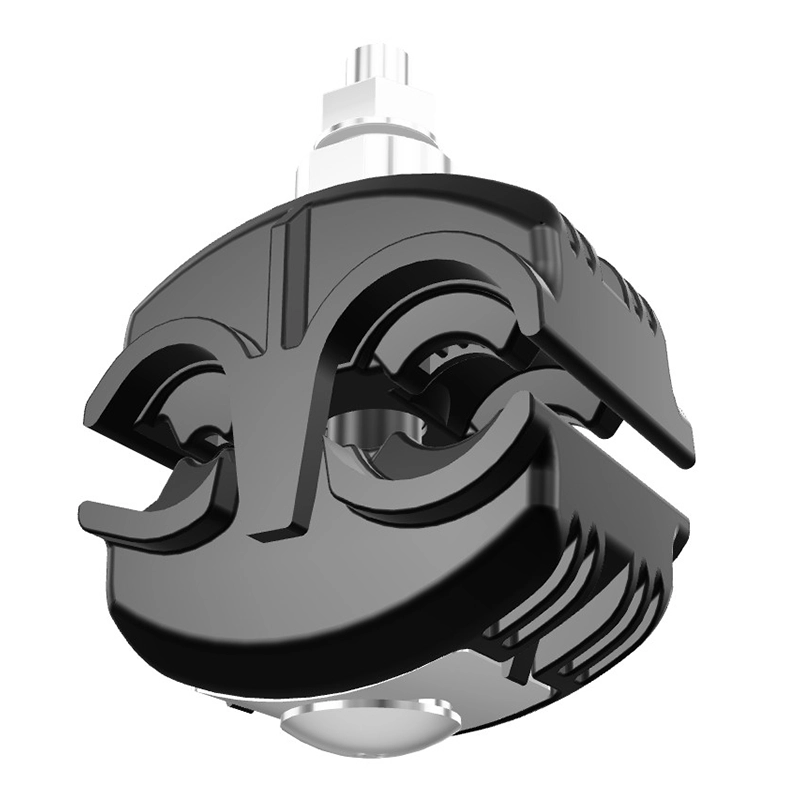
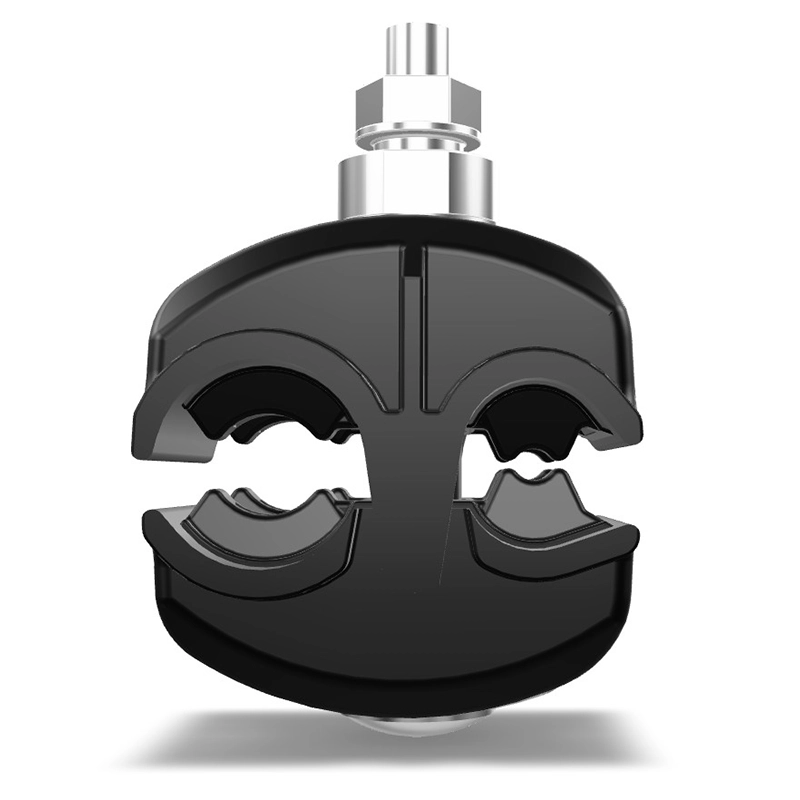
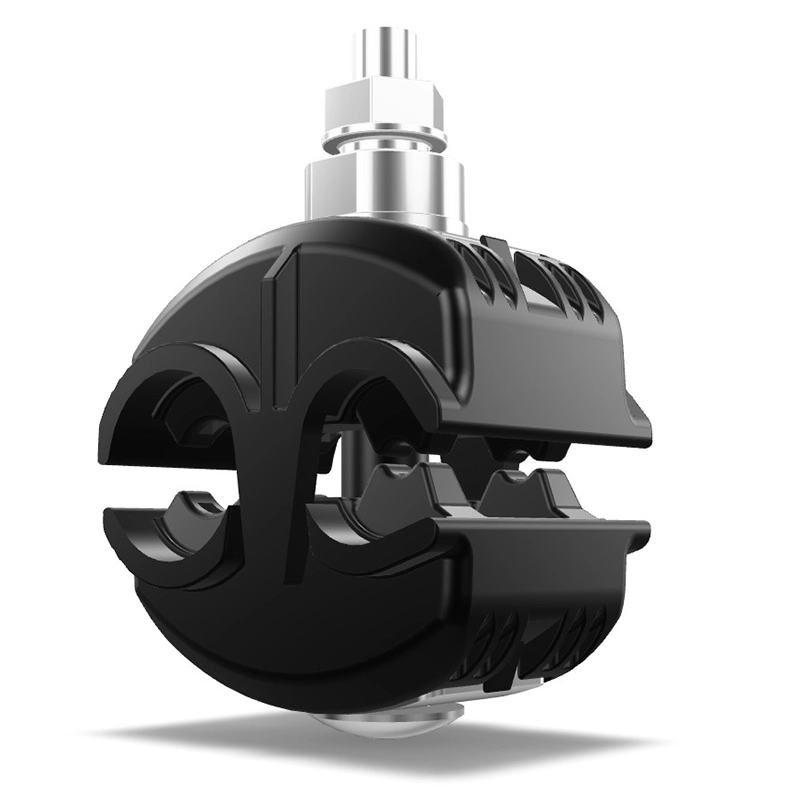
KW40 Insulation Piercing Connector

The KW40 Insulation Piercing Connector is designed for 4/0 AWG trunk cable and #10 or #8 AWG lead wires in 1500V DC photovoltaic systems. Certified to UL 9703, it provides a reliable field-installed connection point for solar trunk bus and harness cable applications where organized wiring and repeatable installation are important.
Request a Quote

Interested in this product? Fill out the form below and our team will get back to you.

Contact Form Demo
Categories: , Brand:

Specifications

Model KW40
Product Code 32KW40
Product Type Insulation Piercing Connector
Trunk Cable Size 4/0 AWG
Lead Wire Size #10, #8 AWG
Max System Voltage 1500V DC
Max Current 55 Amps
Overcurrent Fuse Amps 40
Tap Type Single
Number of Bolts 1
Bolt Size M6 x 60
Torque Value 10 ft-lbs
Weight 5 oz
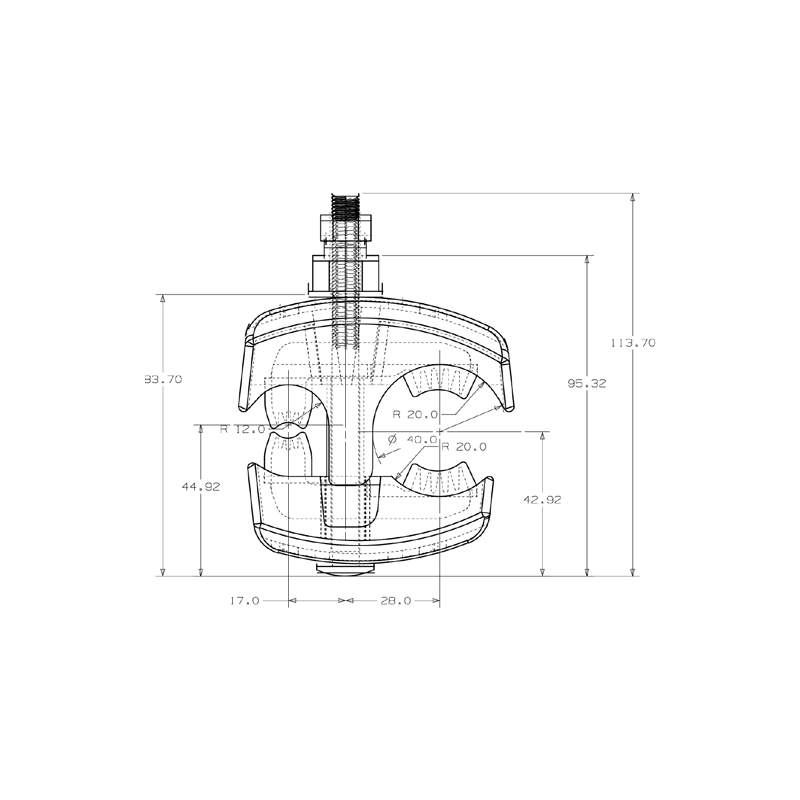
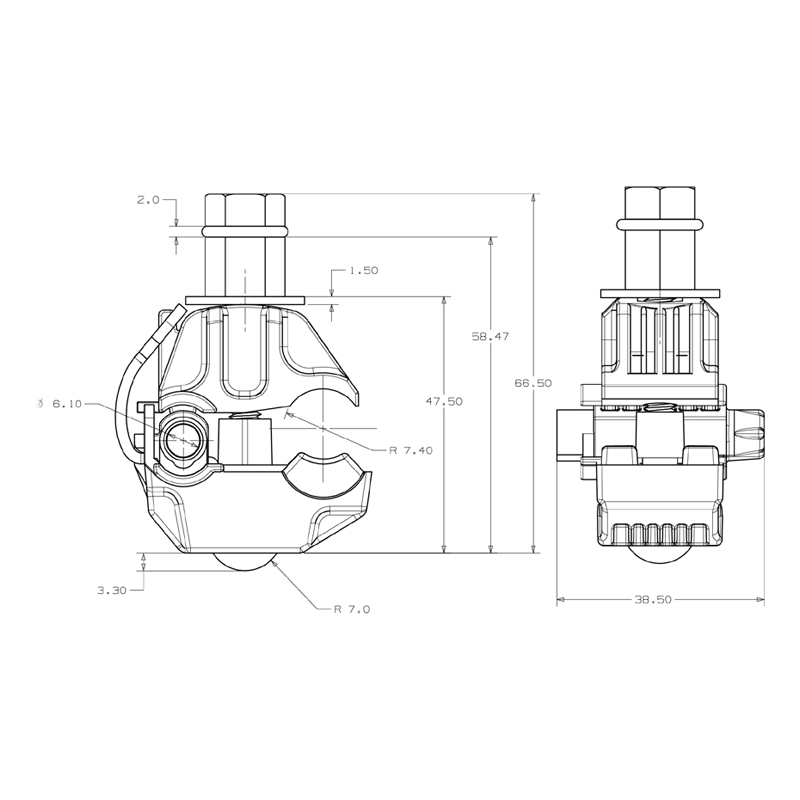
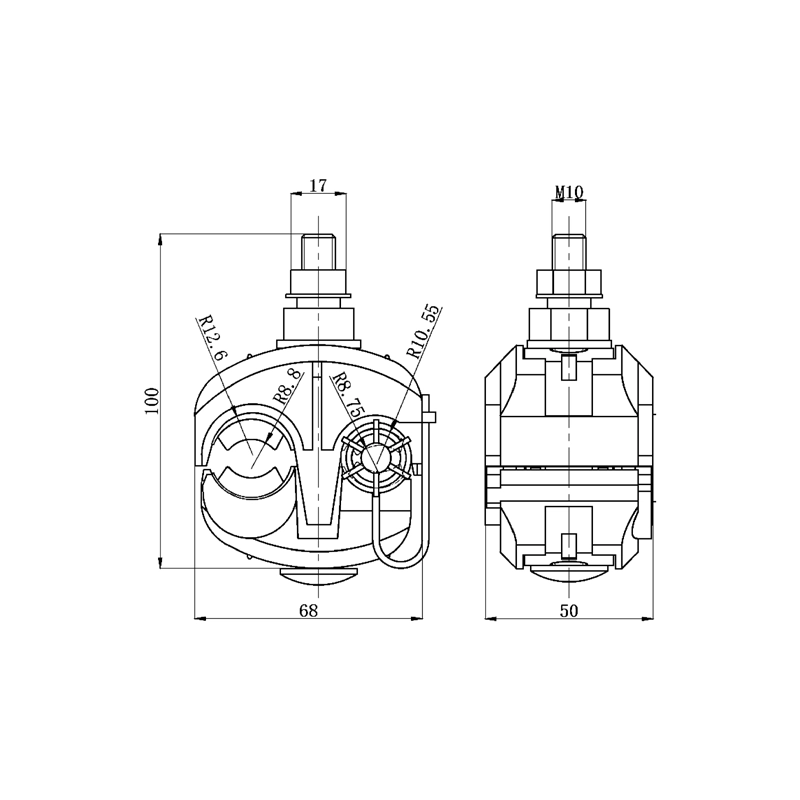
Dimensions 2.63" W x 3.38" D x 2.87" H
Cable Compatibility AL9CU Class 2 stranded PV certified cables per UL4703 type PV
Installation Temperature -28°C to +43°C
Max Operating Temperature 90°C
Material V0-rated body and cover material
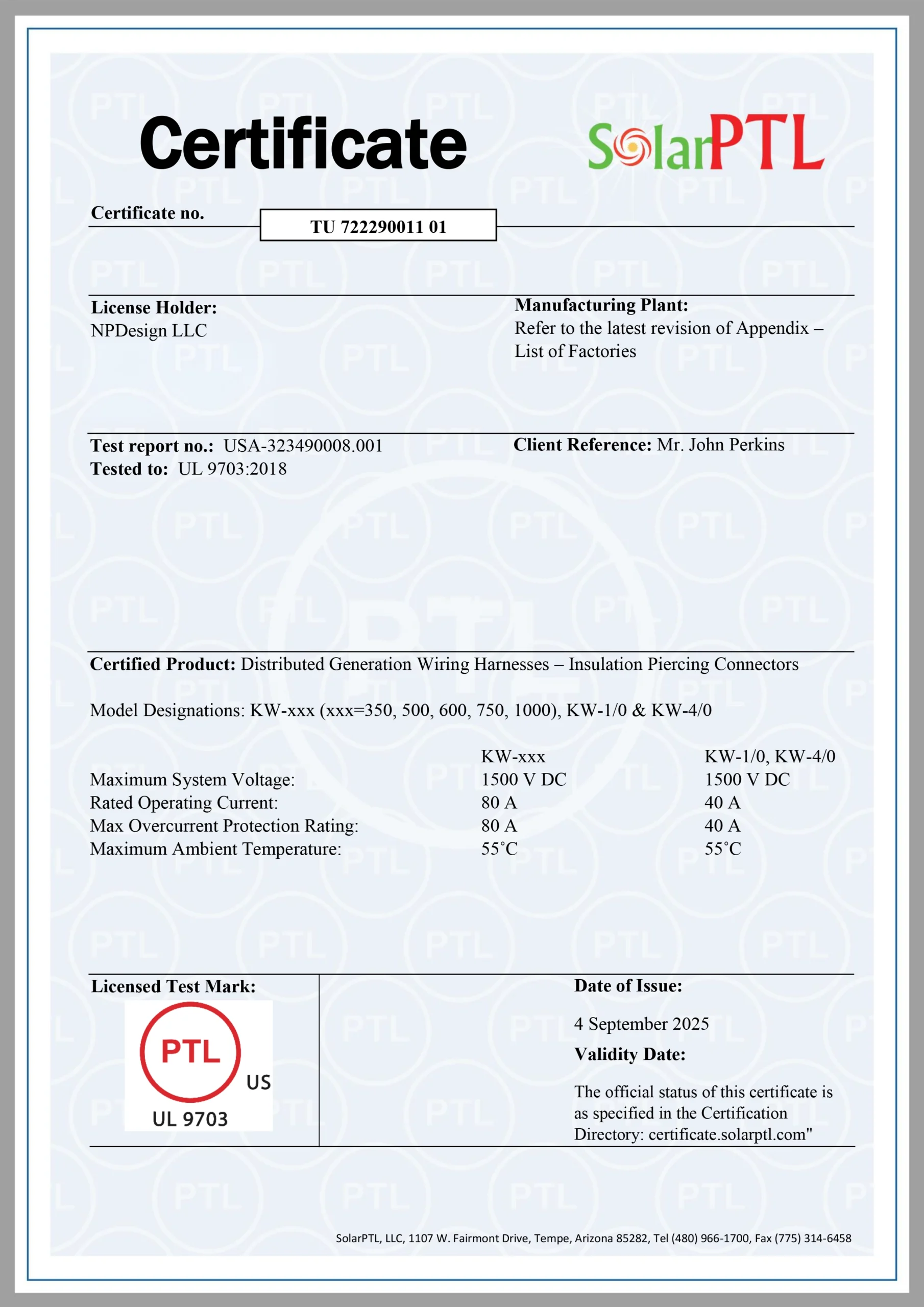
Certification UL 9703

Product Details

KW40 Insulation Piercing Connector

The KW40 Insulation Piercing Connector is designed for photovoltaic wiring systems that require a reliable field-installed connection between trunk bus cable and lead wire. Built for use with 4/0 AWG trunk cable and compatible with #10 and #8 AWG lead wires, this connector is a practical solution for 1500V DC solar installations that need organized, repeatable, and code-conscious electrical connections. In utility-scale and large-format PV projects, an insulation piercing connector like the KW40 helps support cleaner wire management and more standardized installation methods across the system.

This KW40 insulation piercing connector is certified to UL 9703 and rated for 1500V DC photovoltaic applications. It is intended for use with AL9CU Class 2 stranded PV certified cables per UL4703 type PV, making it suitable for solar infrastructure where certified compatibility and dependable performance are important. The connector uses a single-bolt design to help simplify field installation, and the body and cover are made from V0-rated material for dependable use in PV environments.

Built for Solar Trunk Bus Applications

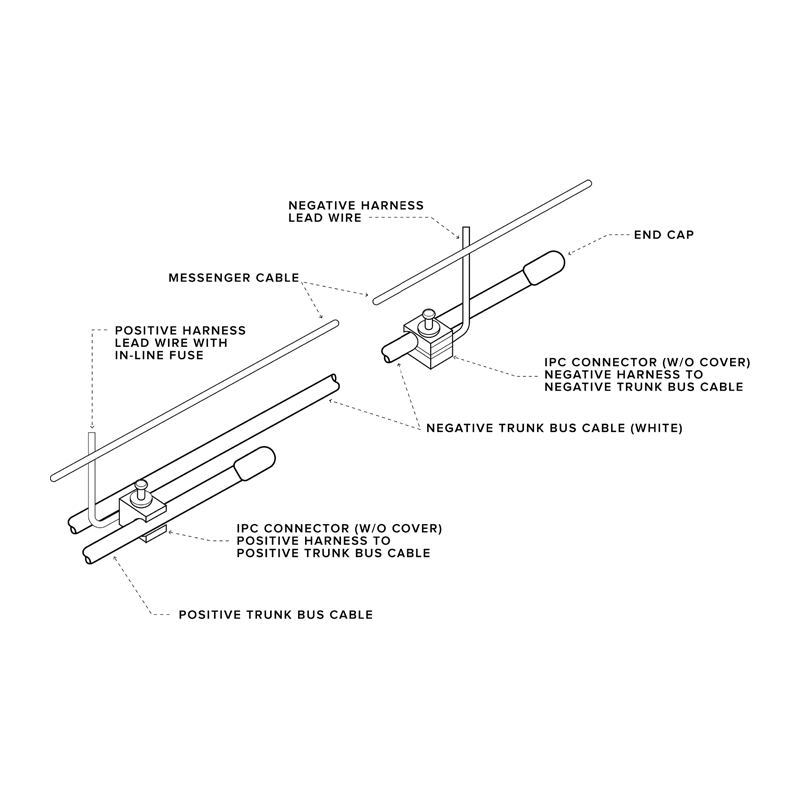
The KW40 is used in PV systems where trunk bus cable and harness cable need to be connected efficiently in the field. In these types of layouts, an insulation piercing connector helps create a secure tap connection while reducing the need for more complicated row wiring strategies. This can improve installation consistency and support a more repeatable process for contractors, EPC teams, and installers working across larger solar projects.

Trunk bus style DC wiring has become a practical approach for many utility-scale photovoltaic systems because it can help reduce unnecessary jumper and harness wires, simplify wire routing, and create a more standardized installation flow. The KW40 fits into that style of system by providing a field-installed connection point for applications using 4/0 AWG trunk cable. This makes it useful in PV installations where organized wiring architecture and dependable component selection are both important.

Designed for 4/0 AWG Trunk Cable and #10 or #8 AWG Lead Wire

The KW40 is matched for 4/0 AWG trunk cable and supports #10 and #8 AWG lead wires. This cable combination makes it a strong option for photovoltaic connection points where a compact IPC is needed for that conductor range. Using the correct insulation piercing connector for the intended cable size helps support proper fit, secure installation, and dependable electrical continuity throughout the finished system.

In solar applications where many repeated connection points are installed over long cable runs, having a connector built specifically for the conductor size being used can improve both efficiency and consistency. The KW40 gives installers a connector option that is purpose-built for this cable range while still fitting within a broader 1500V DC PV system design and installation approach.

1500V DC Performance with UL 9703 Certification

The KW40 is rated for 1500V DC, making it suitable for modern photovoltaic system architectures that require high-voltage DC components. It is also UL 9703 certified, which is important for projects where listed components support permitting, inspection, and compliance requirements. In addition to its voltage rating, the KW40 supports a maximum current rating of 55 amps and is associated with a 40 amp overcurrent fuse value.

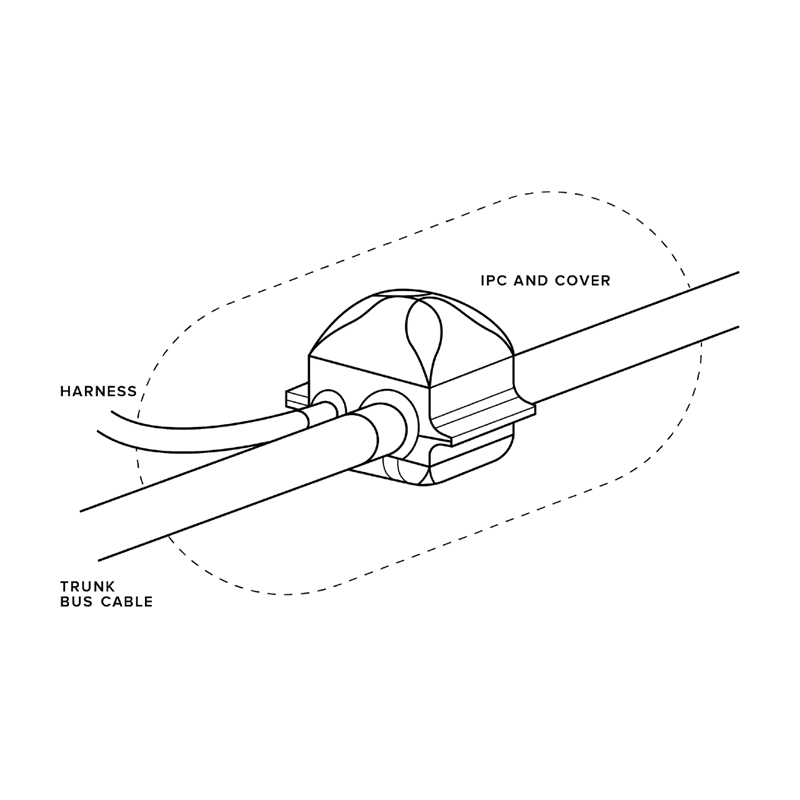
The connector body and cover are made from V0-rated material, which supports dependable use in solar environments where material quality is an important part of product selection. To remain in compliance with listing requirements, the IPC must be installed with the matching cover. That matching cover is an important part of the complete product assembly and should always be used according to installation guidelines.

Single-Bolt Installation for Repeatable Field Work

The KW40 uses a single M6 x 60 bolt with a required torque value of 10 ft-lbs. This single-bolt configuration helps keep installation simple while still providing the mechanical hold needed in field wiring applications. On larger PV projects, straightforward hardware and clearly defined installation values can help crews maintain consistency from one connection point to the next.

A connector like the KW40 is well suited for solar projects that benefit from standardized field processes and repeatable installation methods. When used correctly in trunk bus systems, it can help reduce variation in the field and support a cleaner, more organized DC wiring layout. That makes it a practical option for teams looking to streamline installation without sacrificing certified performance.

Compact IPC for Utility-Scale and Large PV Systems

The KW40 has a compact overall form factor while still being designed for larger trunk cable than the KW10. Its size and configuration make it a practical insulation piercing connector for solar applications where 4/0 AWG cable is part of the system design and a compact single-bolt connector is preferred. This allows it to fit into photovoltaic projects that need both conductor-specific compatibility and a field-ready installation format.

Because it belongs to a broader family of IPC products intended for PV systems, the KW40 can be used as part of a more uniform product strategy across multiple conductor sizes. That is helpful for projects that want consistent product categories, installation methods, and certification standards throughout the DC wiring system.

Common Uses for the KW40 Insulation Piercing Connector

  • PV trunk bus cable to harness cable connections
  • 1500V DC solar electrical systems
  • Field-installed cable connection points in utility-scale PV layouts
  • Standardized trunk bus wiring designs for solar projects
  • Applications requiring a UL 9703 certified insulation piercing connector

The KW40 Insulation Piercing Connector is a strong choice for photovoltaic systems that need a certified and field-ready IPC for 4/0 AWG trunk cable and #10 or #8 AWG lead wire. With 1500V DC performance, UL 9703 certification, and a design intended for repeatable field installation, it fits well into solar projects that prioritize organized wiring, dependable electrical connections, and practical installation efficiency.

IPC Connectors Products

Product Model Product Code Product Type Trunk Cable Size Lead Wire Size Max System Voltage Max Current Overcurrent Fuse Amps Tap Type Number of Bolts Bolt Size Torque Value Weight Dimensions Cable Compatibility Material Installation Temperature Max Operating Temperature Certification
KW10 Insulation Piercing Connector KW10 32KW10 Insulation Piercing Connector 1/0 AWG #10, #8 AWG 1500V DC 55 Amps 40 Single 1 M6 x 60 10 ft-lbs 5 oz 2.63" W x 3.38" D x 2.87" H AL9CU Class 2 stranded PV certified cables per UL4703 type PV V0-rated body and cover material -28°C to +43°C 90°C UL 9703
KW40 Insulation Piercing Connector KW40 32KW40 Insulation Piercing Connector 4/0 AWG #10, #8 AWG 1500V DC 55 Amps 40 Single 1 M6 x 60 10 ft-lbs 5 oz 2.63" W x 3.38" D x 2.87" H AL9CU Class 2 stranded PV certified cables per UL4703 type PV V0-rated body and cover material -28°C to +43°C 90°C UL 9703
KW350 Insulation Piercing Connector KW350 32KW350 Insulation Piercing Connector 350 kcmil #8, #6 AWG 1500V DC 55 Amps 40 Single 1 M6 x 60 10 ft-lbs 5 oz 2.63" W x 3.38" D x 2.87" H AL9CU Class 2 stranded PV certified cables per UL4703 type PV V0-rated body and cover material -28°C to +43°C 90°C UL 9703
KW500 Insulation Piercing Connector KW500 32KW500 Insulation Piercing Connector 500 kcmil #8, #6 AWG 1500V DC 175 Amps 75 Dual 1 M10 x 100 25 ft-lbs 14.1 oz 3.15" W x 4.30" D x 4.52" H AL9CU Class 2 stranded PV certified cables per UL4703 type PV V0-rated body and cover material -28°C to +43°C 90°C UL 9703
KW600 Insulation Piercing Connector KW600 32KW600 Insulation Piercing Connector 600 kcmil #8, #6 AWG 1500V DC 175 Amps 75 Dual 1 M8 x 100 20 ft-lbs 20.5 oz 3.62" W x 4.13" D x 4.41" H AL9CU Class 2 stranded PV certified cables per UL4703 type PV V0-rated body and cover material -28°C to +43°C 90°C UL 9703
KW750 Insulation Piercing Connector KW750 32KW750 Insulation Piercing Connector 750 kcmil #8, #6 AWG 1500V DC 175 Amps 75 Dual 1 M8 x 100 20 ft-lbs 20.5 oz 3.62" W x 4.13" D x 4.41" H AL9CU Class 2 stranded PV certified cables per UL4703 type PV V0-rated body and cover material -28°C to +43°C 90°C UL 9703
KW1000 Insulation Piercing Connector KW1000 32KW1000 Insulation Piercing Connector 1000 kcmil #8, #6 AWG 1500V DC 175 Amps 75 Dual 1 M8 x 100 20 ft-lbs 20.5 oz 3.62" W x 4.13" D x 4.41" H AL9CU Class 2 stranded PV certified cables per UL4703 type PV V0-rated body and cover material -28°C to +43°C 90°C UL 9703

Our Products

IPC Solutions for
Every Project Scale

View All Products

Common Questions

Frequently asked questions featured across the site.

View All FAQs
How does an IPC trunk bus system replace combiner boxes?

Instead of routing individual string cables to a central combiner box, IPCs connect strings directly to a trunk bus cable that runs along the array. This eliminates combiner box hardware, reduces underground conduit runs, lowers voltage drop, and cuts total connection points dramatically — resulting in less labor, less material, and fewer potential failure points.

Why UL 9703 instead of UL 486?

UL 9703 was developed specifically for wiring harnesses in distributed generation systems. It requires more aggressive testing — including freeze cycles, thermal chamber, wet high-pot, and impact tests — than UL 486, which covers a broader range of general-purpose connectors. It’s the highest standard available for solar EBOS connections.

What sizes do your IPCs support?

Our IPC product line covers trunk bus sizes from 1/0 AWG through 1000 KcMil, with tap cable support from #10 AWG up. Available in dual-tap and multi-tap configurations to match your array string count and inverter layout.

What is an insulation piercing connector?

An IPC connects string-level DC wiring to a trunk bus cable by piercing through the cable insulation with tinned copper teeth. This eliminates wire stripping in the field, reduces connection time, and creates a sealed, weather-resistant joint. The result is fewer failure points and faster array commissioning.

What does NPDesign do?

NPDesign engineers and delivers EBOS infrastructure for utility-scale solar projects, with a strong focus on Solar IPC trunk bus systems, connectors, engineering support, and project-specific kitting and logistics.

What is an IPC connector?

An IPC connector is an insulation piercing connector designed to create a field-installed electrical tap connection without requiring wire stripping at the tap point. NPDesign presents IPC connectors as a faster and more efficient solution for solar trunk bus systems.

Do NPDesign IPC connectors require wire stripping?

No. NPDesign IPC connectors are designed to make the connection without stripping the cable insulation first. This helps speed up installation, reduce extra cable prep in the field, and create a more consistent connection process across large solar projects.

How fast do the IPC connectors install?

NPDesign IPC connectors are designed to install in under two minutes per tap. That faster install time helps crews move more efficiently across the array while keeping the process simple and repeatable.

What cable sizes do NPDesign IPC connectors support?

The IPC product line covers trunk bus sizes from 1/0 AWG through 1000 KcMil, with tap cable support starting at #10 AWG depending on the model. This gives project teams options across a wide range of utility-scale solar layouts.

Why use an IPC trunk bus system in solar?

An IPC trunk bus system can reduce connection points, simplify array wiring, and lower field labor compared with more traditional DC wiring layouts. It also helps create a cleaner, more standardized installation process across large solar projects.

How does an IPC trunk bus system replace combiner boxes?

Instead of routing individual string cables back to a central combiner box, IPCs connect strings directly to a trunk bus cable along the array. This can reduce hardware, lower conduit needs, cut total connection points, and help reduce both labor and material costs.

Does NPDesign provide engineering support or only products?

NPDesign provides both products and engineering support. That includes site plan review, single-line review, IPC sizing, array layout support, field guidance, and other services that help customers apply the right EBOS solution to the project.

Does NPDesign offer project-specific kitting?

Yes. NPDesign can kit connectors, trunk cable, harnesses, and accessories by site zone and construction schedule. This helps crews receive materials in a more organized way for the work being done on site.

Why is UL 9703 important?

UL 9703 is a photovoltaic connector standard that supports safety, inspection confidence, and project compliance. Using listed components can also help give developers, EPCs, and contractors more confidence in the connection system being installed.

Why UL 9703 instead of UL 486?

UL 9703 is tailored specifically to photovoltaic and distributed generation wiring applications, with more aggressive testing for solar use conditions. That makes it a stronger fit for solar EBOS connections than a broader general-purpose connector standard.

How does it work to start a project with NPDesign?

The process starts with sharing the site plan and single-line diagram. From there, NPDesign reviews the EBOS requirements, develops the connector and trunk bus approach, and helps move the project toward kitting, delivery, installation, and energization.

How can I contact NPDesign?

Customers can reach out through the contact and quote request options on the site, and NPDesign also lists in**@*********lc.com as a direct contact email.

NPDesign — Industrial EBOS Solutions

Meeting Industrial Needs
Since 2010.

Ready to reduce installation time, lower field labor costs, and deploy with a connector system proven across 2+ GW? Let's talk.

Browse Products